We tell women their pain matters: Then we applaud them for ignoring it
Published: September 18, 2026
Blog
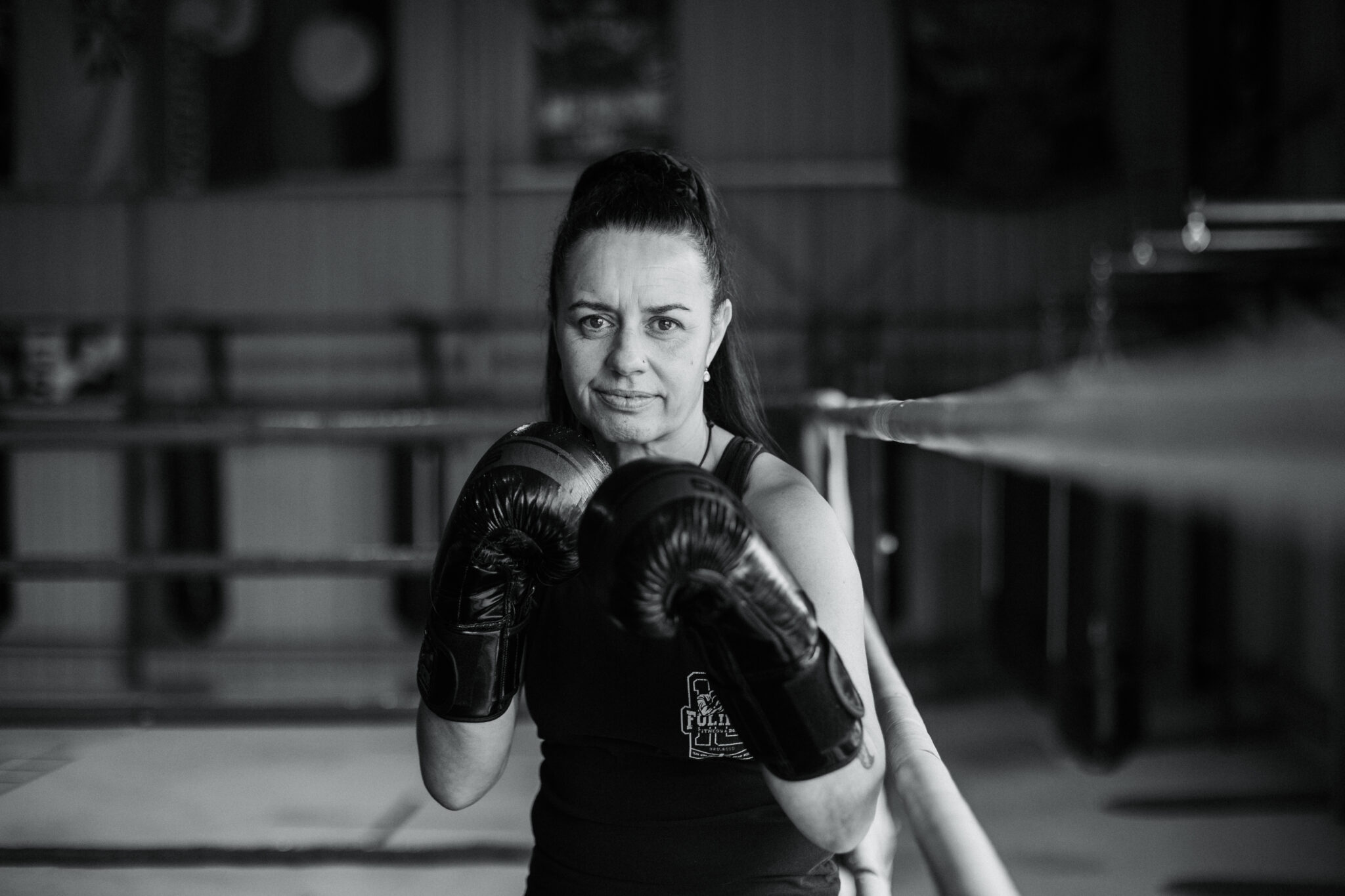
The images from the recent HYROX competition in Beijing were impossible to ignore.
Australian athlete Joanna Wietrzyk suffered bowel incontinence during the race, continued competing, and ultimately won. The footage predictably spread fast. Some people praised her determination. Others questioned whether she should have been allowed to continue. Organisers later acknowledged they should have intervened sooner.
Before going any further, let's get one thing out of the way.
This is not an attack on Joanna Wietrzyk. As a feminist, I support her right to make her own decision about her body. Elite athletes operate in a world most of us will never experience. They push physical boundaries, tolerate discomfort and routinely make split-second choices under immense pressure. She deserves neither ridicule nor abuse.
But I do have questions about the public reaction to the incident.
At the very moment we are recognising how routinely women's pain has been ignored, dismissed and minimised, are we also celebrating women for ignoring it themselves?
Victoria has spent the past few years confronting the reality of the gender pain gap. The state's landmark Inquiry into Women's Pain heard from more than 13,000 women and girls who described experiences of being dismissed, misdiagnosed, disbelieved or left untreated. Many reported years of suffering before receiving appropriate care. The inquiry concluded that gender bias remains deeply embedded in healthcare systems and continues to shape the way women's pain is understood and treated.
The issue has now, rightfully, gained national attention. The newly established Select Committee on Women's Health will examine women's experiences of pain, barriers to effective treatment, and what it describes as experiences of medical misogyny within healthcare settings.
So after generations of women being told their pain is normal, exaggerated or psychological, we are finally beginning to hear a different message. Pain matters. Pain is information. Pain deserves attention.
Elite sport complicates this conversation.
Athletes frequently push through discomfort in pursuit of performance. Resilience, endurance, and mental toughness are celebrated parts of sporting culture. Choosing to continue competing is not the same as having your pain dismissed by a healthcare professional.
But culture does not exist in neat silos. The stories we celebrate send signals about what we value.
Watching the reaction to the HYROX incident, I was struck by how quickly an obvious sign of physical distress became an inspirational story. Look how strong she is. Look how tough she is. Look what she endured.
There is truth in that. Endurance, strength and resilience are admirable qualities.
And there is also something familiar.
Women are no strangers to being praised for their ability to endure. To endure difficult pregnancies. To endure chronic pain. To endure exhaustion. To endure workplace inequity. To endure caregiving responsibilities.
To endure.
It is one of the oldest expectations placed on women. We admire the woman who keeps going. The mother who sacrifices for everyone else. The worker who powers through. The patient who waits without complaint. The woman who asks for little and tolerates much.
Are we demonstrating that we admire women's suffering almost as much as we admire their success?
The HYROX story fits neatly into a familiar narrative. Champions push through. Winners don't quit. Success belongs to those prepared to ignore discomfort in pursuit of a goal.
If a woman's body is signalling distress in a way that is impossible to ignore, should our immediate response really be applause for pushing past it?
Or should we also be asking whether there are circumstances in which stopping, seeking support, or placing wellbeing first deserves equal respect?
That question extends well beyond elite sport. For many women in regional Victoria, healthcare is not always easy to access. Specialist appointments can involve long waiting periods and extensive travel. Caring responsibilities often come before their own needs. Many already feel pressure to put themselves last.
The cultural messages we celebrate matter because they shape the decisions people make about their health and wellbeing.
When celebrated stories of female strength are also stories about enduring pain or physical discomfort, we risk reinforcing the idea that suffering is simply part of being a woman.
That is precisely the attitude current reforms in women's health have the potential to challenge. Surely we should do our best not to reproduce the same damaging messages in popular culture?
None of this means resilience is a bad thing. It means resilience should not be the only thing we celebrate.
A woman who seeks treatment is not weak. A woman who listens to her body is not weak. A woman who decides to stop is not weak.
Sometimes courage looks like persistence. Sometimes courage looks like drawing a boundary.
What struck me most about the HYROX debate was how few people seemed interested in that distinction. We rushed almost immediately towards admiration or condemnation. What we missed was the opportunity to ask what kind of message we want young women and girls to absorb.
If we truly believe women's pain matters, our admiration can’t be reserved solely for those who endure it. We should celebrate women not only for pushing through suffering, but also for recognising when their health and wellbeing deserve to come first.
References
- Victorian Department of Health, Inquiry into Women's Pain and Bridging the Gender Pain Gap Report, including consultation findings from more than 13,000 Victorian women and girls. https://www.health.vic.gov.au/womens-health-and-wellbeing-program/inquiry-into-womens-pain
- Parliament of Australia, Select Committee on Women's Health Terms of Reference, including examination of women's pain, barriers to treatment, and experiences of medical misogyny. https://www.aph.gov.au/Parliamentary_Business/Committees/Senate/Womens_Health
- Australian Government Department of Health, Disability and Ageing, media release announcing the establishment of the Select Committee on Women's Health. https://www.health.gov.au/ministers/the-hon-rebecca-white-mp/media/new-select-committee-to-continue-focus-on-womens-health
- Reporting on the HYROX Beijing Pro Women's Race involving Joanna Wietrzyk, including organiser statements and subsequent rule reviews. https://7news.com.au/sport/hyrox-apologises-to-fans-after-australian-athlete-defecated-during-race-in-china-c-22871441
- https://www.abc.net.au/news/2026-09-14/hyrox-beijing-backlash-after-athlete-soils-herself/107151004
- Women's Health Victoria, Women's Pain Inquiry – It Shouldn't Be Painful to Be a Woman. https://www.whv.org.au/womens-pain-inquiry/
- Womens health and Wellbeing Barwon South West, From Both Sides of The Door Report https://womenshealthbsw.org.au/our-work/sexual-and-reproductive-health/sexual-and-reproductive-health-consultation/